
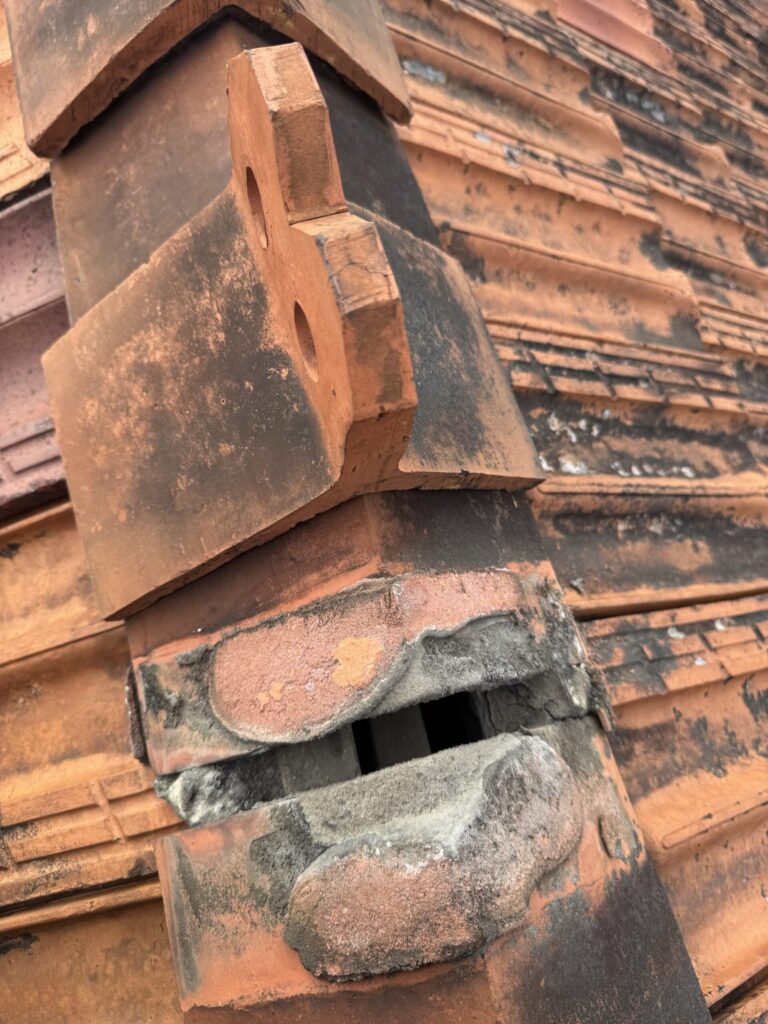
Hail can cause more than just dents on your car. Your roof takes the brunt of the force, and the damage is often worse than it looks. Roof tiles can crack, shift, or lose their protective layer, while ridge capping may loosen, allowing water to seep in.
Over time, these problems can grow into costly repairs. That’s why it’s wise to get help from a roofing specialist in Sydney after a hailstorm. They can assess the damage and repair it before it spreads. Ignoring it may leave your home exposed to leaks, mould, and structural issues.
Signs of Hail Damage on Roof Tiles
Common cracks and chips from hail impact
Hail can strike a roof with force. This often causes visible cracks or chips in roof tiles. Some cracks may run across the tile, while others may only affect the edges. Even small chips can allow water to seep in over time. In areas like Sydney, where storms can be extreme, clay and concrete tiles are more susceptible to damage. These damages may not always be easy to see from the ground. A close inspection will often reveal broken edges or fine lines running across the tile surface. Left alone, these cracks can widen and cause leaks inside.
Loss of tile surface coating over time
Many roof tiles have a protective coating that shields them from rain and sun. Hail can strip away this coating with each hit. The impact may leave dull spots where the coating is gone. These areas absorb more water and can deteriorate more quickly. In Sydney’s climate, this loss can lead to faster wear during wet seasons. Without the coating, the tile becomes more porous and prone to damage. Over months or years, this can shorten the roof’s lifespan. Regular checks after hailstorms help spot these worn areas before they lead to bigger issues.
How Hail Affects Ridge Capping Stability
Loosened mortar from repeated impact
Ridge capping is held in place by mortar. Hail strikes can chip or weaken this mortar over time. Each hit may loosen small sections, making the capping unstable. Heavy storms across New South Wales often lead to this type of roof damage. The loosened mortar can break away in small chunks or crumble when touched.
Once the bond weakens, the ridge capping may shift slightly. This movement leaves gaps that can worsen with wind and rain. Without repair, more mortar will fall away, and the capping may eventually detach completely, leaving the roof exposed to further damage.
Gaps that lead to water entry and leaks
When hail damages ridge capping, small gaps can appear between the tiles and mortar. Rainwater can then enter these gaps and seep under the roof covering. Over time, this moisture can reach the roof timbers and insulation. Prolonged wet weather in coastal areas increases the risk of mould growth and timber rot.
Even a narrow opening is enough for water to travel inside. The leaks may not show right away, but can appear after repeated rainfall. Fixing these gaps early prevents the spread of moisture through the roof and reduces the risk of costly internal repairs in the future.
Long-Term Effects of Ignoring Hail Damage
Water damage spreading inside the home
Hail damage to tiles or ridge capping can let water into the roof space. Once inside, it can move across insulation and drip into ceilings or walls. Plaster can stain, and paint may bubble or peel. Electrical wiring in the ceiling can also be affected by moisture.
In parts of New South Wales with heavy rain seasons, the damage can worsen quickly. Water can run far from the entry point, making the source hard to trace. The longer the leak is left, the more it spreads. Repairs then become more complex and expensive for the homeowner.
Growth of mould and roof timber decay
Moisture trapped inside the roof creates a perfect space for mould. It can grow on insulation, ceiling plaster, and even personal items stored in the roof space. Over time, the damp conditions also damage roof timbers. Wood can rot, losing its strength and stability. This weakens the overall roof structure.
Homes in humid coastal suburbs face a higher risk of this type of decay. The damage is not always visible from inside the home until it is advanced. Repairing rotten timbers often means replacing large sections of the roof structure, which can be costly and time-consuming.
Repair and Replacement Options After Hail Damage
Spot repairs for minor roof tile cracks
Small cracks in roof tiles can often be repaired without replacing the entire tile. A roofing professional can apply a strong sealant to close the crack. This stops water from seeping through and prevents the damage from spreading. In some cases, a damaged tile may be swapped with a spare tile of the same type.
This keeps the repair localised and reduces the cost. Spot repairs work best soon after the damage occurs. Leaving a crack open will allow rain to enter and weaken the surrounding tiles. Timely repair helps maintain the roof’s strength and appearance for longer.
Full ridge capping, re-bedding, and pointing
When hail has loosened ridge capping, a full re-bedding and pointing process may be needed. Re-bedding involves removing the damaged mortar and laying fresh bedding to secure the capping. Once set, a pointing mortar is applied to seal and protect the edges. This gives a strong and neat finish that holds up in heavy weather.
In areas exposed to frequent storms, this repair restores both strength and stability to the ridge line. Without re-bedding, loose capping can shift further and create large gaps. A proper re-bedding and pointing job can extend the life of the entire roof structure.
Preventing Future Hail Damage to Your Roof
Choosing impact-resistant roof tiles
Installing impact-resistant tiles can reduce the risk of serious hail damage. These tiles are made from stronger materials designed to handle heavy impacts. Concrete and certain composite tiles often hold up better under hail than standard clay tiles. In areas that face seasonal storms, these materials offer better protection.
Choosing tiles with a textured surface can also help reduce visible marks from hail. While no tile is completely hail-proof, stronger options are less likely to crack or chip. A roofing professional can recommend the best type for your property based on your local climate and roof design.
Scheduling seasonal roof inspections
Regular inspections help detect early signs of hail damage before it worsens. A qualified roofer can check tiles, ridge capping, and gutters for impact marks or loose sections. Inspections before and after storm seasons are especially useful. This timing allows any repairs to be done before heavy rain arrives.
In coastal regions, salt in the air can add to roof wear, making inspections even more important. Spotting and fixing small issues early keeps repair costs down. It also extends the life of the roof. Keeping a consistent inspection schedule protects the roof through all types of weather.
Protect Your Roof with Sydney Wide Roofing Co
Storms can leave lasting damage on a roof long after the hail has stopped. Cracked tiles and loose ridge capping can let water seep into hidden areas. This moisture can damage insulation, stain ceilings, and weaken roof timbers. Acting early helps stop these problems from spreading and keeps repair costs down.
Sydney Wide Roofing Co inspects every part of the roof, repairs broken sections, and secures ridge capping so it stays in place during bad weather. Our team delivers quality repairs. Visit us at 95 Bellingara Rd, Miranda NSW, or call 61282944654 to arrange an inspection for your home. You can learn more about Sutherland Shire Roofing Services here.