Roof ponding is a common problem, particularly on tiled roofs. It occurs when water accumulates in low areas, leading to potential damage over time. If left unaddressed, it can cause leaks and shorten the lifespan of your roof.
Preventing roof ponding starts with identifying the issue early and taking the right steps. For the best solutions, contact reliable roofing contractors in Sydney. They can help you maintain your roof’s integrity, keeping it dry and durable for longer.
What Causes Roof Ponding on Tiled Roofs?
Common Areas Where Ponding Occurs
Ponding occurs most often in areas where the roof isn’t sloped enough to allow water to drain properly. Some of the most common spots where ponding happens include:
Low spots: These areas don’t have enough pitch, causing water to accumulate instead of flowing to the gutters.
Roof valleys: Where two slopes meet, valleys can trap water if debris or poor design obstructs the flow.
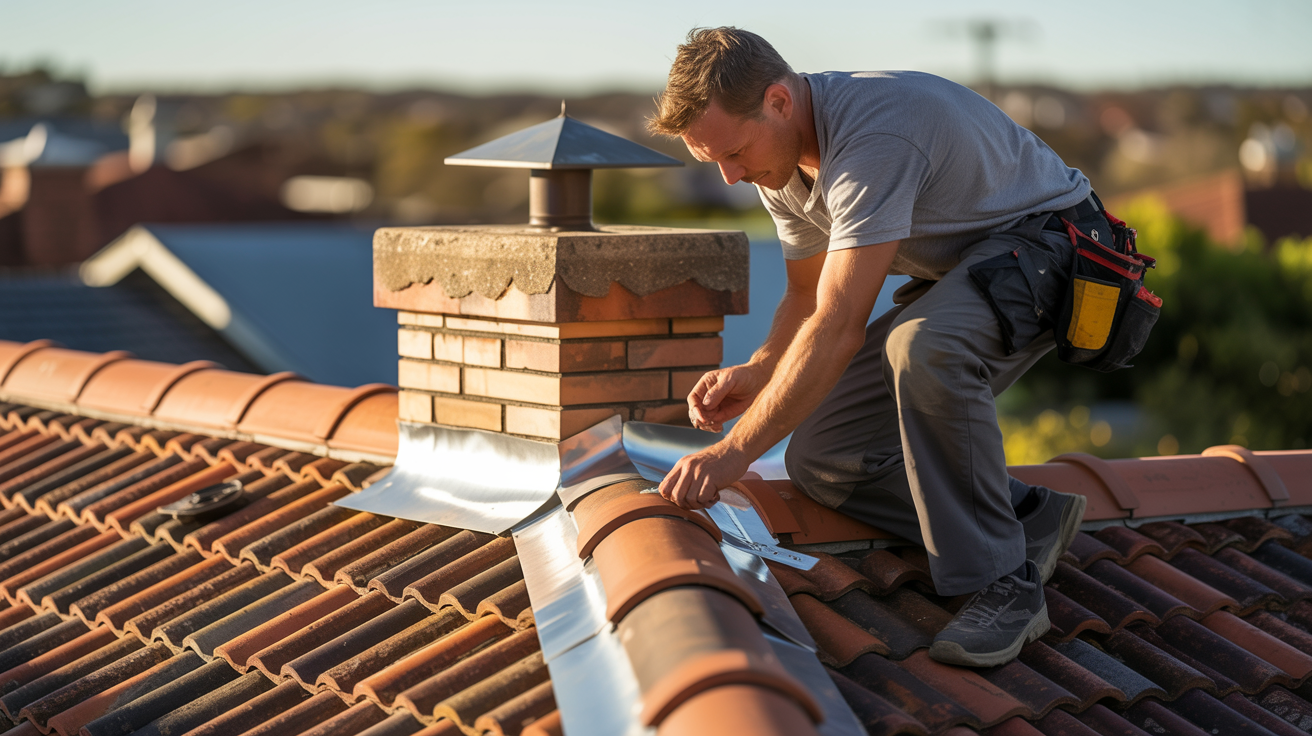
Around chimneys or vents: These features can cause dips or low areas, especially if the flashing is not installed correctly.
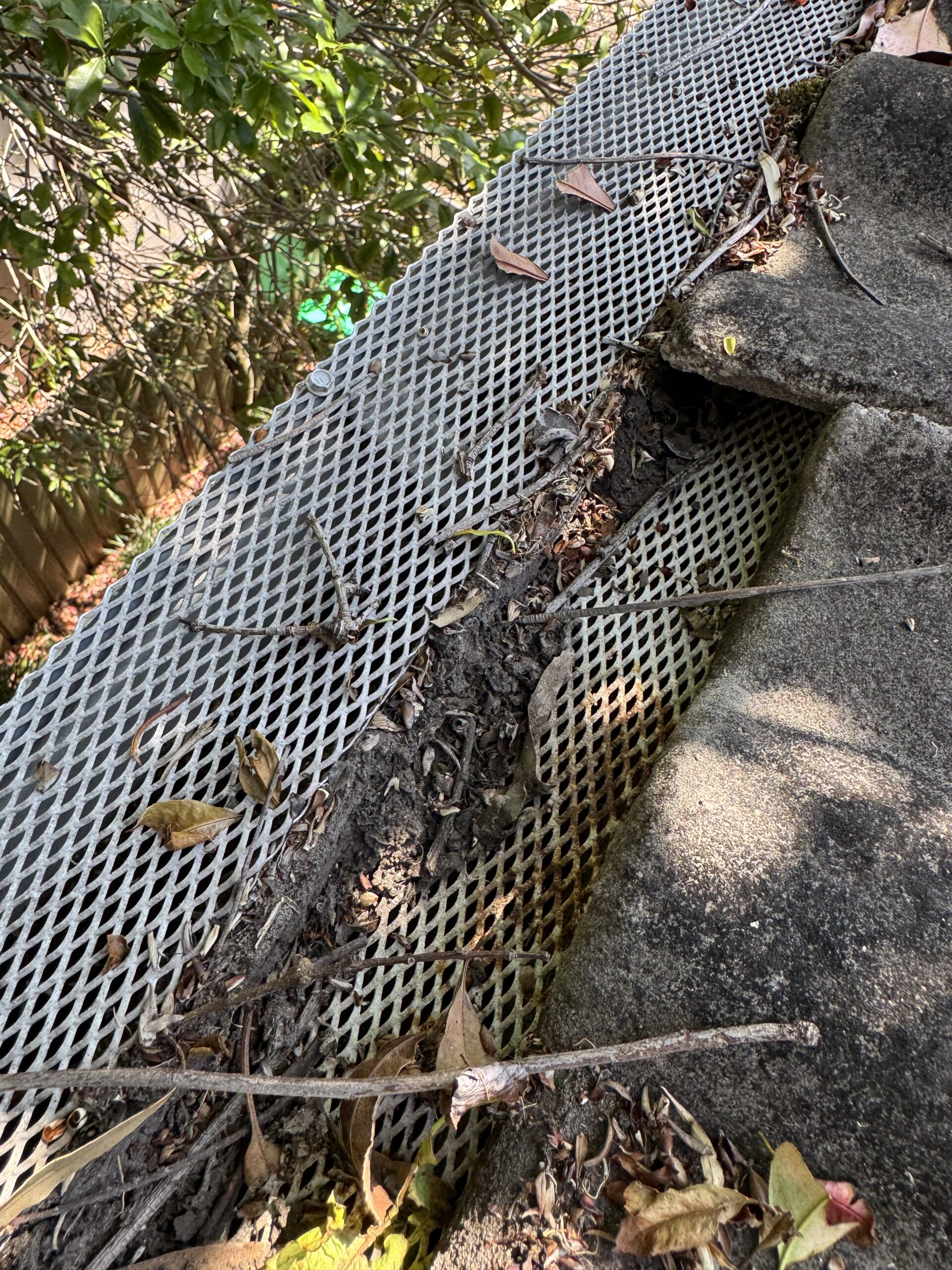
Gutters and downpipes: When gutters are blocked or poorly designed, water can back up, preventing proper drainage and leading to ponding on the roof.
In all these areas, water gathers and can stay for long periods, damaging the roof’s structure and leading to leaks if not addressed.
Impact of Poor Drainage on Roofs
Poor drainage can make roof ponding worse. If water cannot flow freely from the roof, it will stay in one place and increase the risk of damage. Some of the problems caused by poor drainage include:
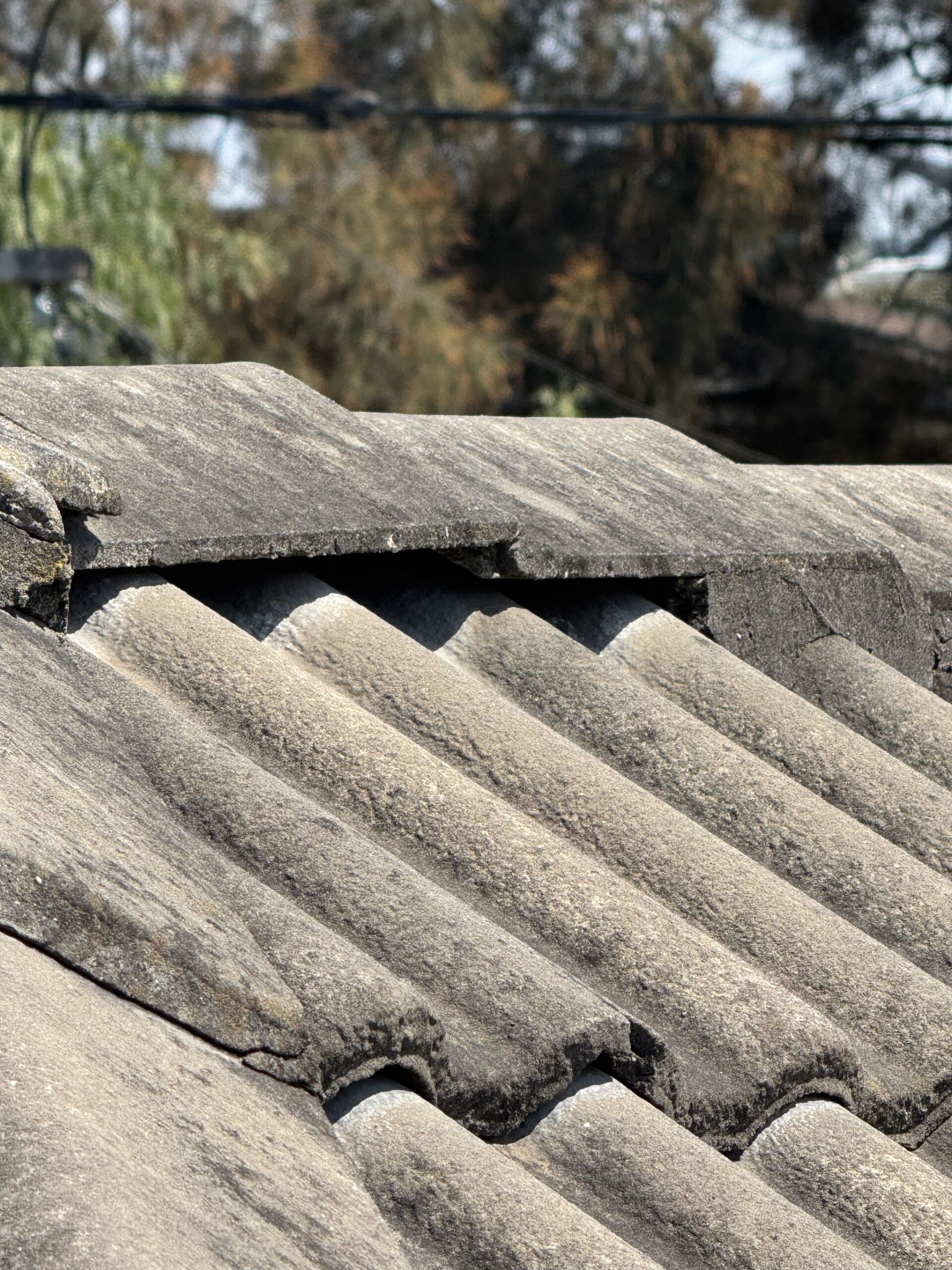
Tile damage: When water pools, it can seep under the tiles, weakening them and even causing cracks.
Roof rot: Moisture sitting on the roof can seep into the wooden structure, causing it to rot.
Moss and algae growth: Constant moisture promotes the growth of moss and algae, which can damage the tiles and roof surface.
Water stains and mould: Water that sits too long can seep through and create stains on ceilings or promote mould growth inside the home.
Signs of Roof Ponding You Shouldn’t Ignore
Water Stains or Dampness in Ceiling
Water stains or damp spots on the ceiling are signs that water has penetrated the roof. If water collects on the roof and is not draining properly, it can leak through the tiles. Over time, the moisture will show up on the ceiling as brown or yellow stains.
If the problem isn’t fixed, it can cause mould growth. Dampness in the ceiling can also lead to the wood rotting. When these signs appear, it’s time to inspect the roof. Quick action can prevent further damage to the ceiling and structure of the home.
Visible Puddles or Pooling Water
Pooling water on the roof is a clear indication of ponding. Water collects in areas where the roof slope is too flat or when debris blocks the drainage system. If you see puddles forming, it means water isn’t flowing off the roof as it should.
Over time, this stagnant water can damage tiles and create leaks. The longer the water stays, the higher the risk of further issues like moss or algae growth. Keeping an eye on visible puddles can help you catch ponding early and prevent expensive repairs.
How Roof Design Affects Ponding
Flat vs. Pitched Roofs and Ponding Risks
Flat roofs are more prone to ponding compared to pitched roofs. With flat roofs, water has a harder time draining away because the slope is minimal. As a result, water collects in low areas, creating the perfect environment for ponding. In contrast, pitched roofs allow water to flow off more easily.
The steep angle encourages drainage, preventing water from sitting on the roof for too long. While flat roofs can be built to include drainage solutions, they require more maintenance. Pitched roofs are less likely to experience ponding because of their natural slope.
Effect of Roof Slope on Water Drainage
The slope of your roof affects how water drains. A steeper slope allows water to flow off the roof easily, preventing ponding. When the slope is too shallow, water collects in low areas and doesn’t drain properly. This standing water can weaken roof tiles, cause leaks, and lead to long-term damage.
The proper slope moves water toward the gutters, where it can flow away from the roof. A roof with an inadequate slope allows water to remain, increasing the risk of ponding. It’s important to make sure your roof has the correct slope to prevent these issues.
Methods to Prevent Roof Ponding on Tiled Roofs
Roof Maintenance and Inspections
To stop ponding on tiled roofs, check for issues like cracked tiles, low spots, or blocked gutters. When water can’t flow away, it builds up and causes damage. Inspect the roof for any visible signs of wear. Clear the gutters and downpipes to make sure water flows freely.
If there are dips in the roof or spots where water collects, address them quickly. Checking the roof frequently for damage and blockages will help prevent ponding. A well-maintained roof is less likely to experience water build-up and leaks. These steps reduce the risk of major roof repairs later on.
Installing Proper Drainage Systems
Proper drainage prevents water from gathering on the roof. If the roof slope is too shallow, water will pool and create ponding. To avoid this, install additional drainage points such as downpipes or scuppers to help direct water off the roof. Flat roofs may also require sump pumps to remove standing water from low areas.
These drainage systems keep the water flowing away from the roof, preventing it from sitting and causing leaks or damage. Adding more drainage outlets improves the roof’s ability to shed water and protects it from long-term damage.
Why Roof Ponding Prevention Is Important
Professional Roof Inspection and Maintenance
Roof ponding can cause serious issues if left untreated. The first step in preventing damage is having your roof inspected. Professionals can find problem areas that may cause water to pool. They check for low spots, damaged tiles, or any blockages in the gutters.
Small issues are easier to fix than waiting for them to grow into bigger problems. When you address these issues early, you stop water from collecting and prevent leaks. Without proper inspection and maintenance, water will stay on the roof, leading to leaks and other structural damage over time.
Reliable Solutions to Prevent Future Ponding Issues
Preventing ponding requires making sure water drains efficiently. When the slope of a roof is too flat, water collects in low spots and doesn’t flow off. Installing additional downpipes or scuppers will help water move off the roof faster. For roofs that need a better slope, adjusting it can help with water flow.
In the case of flat roofs, sump pumps are a great solution for removing standing water. These pumps remove water quickly from areas that collect moisture. With the right drainage systems in place, water can be removed more efficiently, preventing leaks and damage to the roof.
Stop Roof Ponding with Sydney Wide Roofing Co’s Reliable Solutions
Ponding water on tiled roofs can lead to serious damage, such as leaks and weakened structures. Acting fast can stop water from accumulating in low spots. Simple steps like checking roof slopes, clearing gutters, and fixing any dips can help prevent this issue.
If you notice water pooling on your roof, it’s important to address it quickly. Sydney Wide Roofing Co offers reliable solutions to keep your roof safe from damage. Visit us at 95 Bellingara Rd, Miranda, NSW, 2228, AU, or call 61282944654 to get the best roofing services.