
The signs roof needs restoration can start with faded paint, cracked tiles, loose ridge capping or a musty roof space. Some issues may suit restoration; isolated damage may need a repair, while sagging or widespread corrosion can signal a more serious problem.
Sydney’s heat, summer storms, heavy rain and coastal salt affect roofing materials. A tired-looking roof may still be sound, while a tidy one can hide water entry. An inspection is needed to determine the right approach.
10 Signs Your Roof May Be Ready for Restoration
The following signs can help you spot wear that may make roof restoration worth considering. Some issues need only localized repairs, while others may point to more widespread deterioration. The condition of the roofing material underneath matters as much as what you see on the surface.
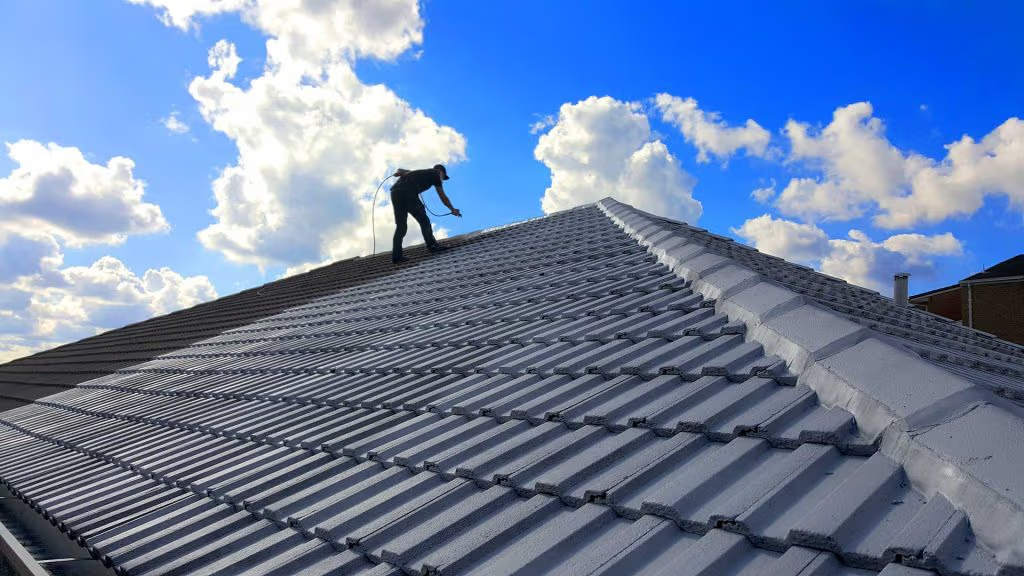
1. Faded, patchy or peeling roof paint
UV exposure and weather can wear down coatings, leaving the surface patchy or dull. Faded paint alone does not prove restoration is suitable; the material underneath needs checking first. See our roof recoating options.
2. Cracked, chipped or missing tiles
Damaged concrete or terracotta tiles can let rain reach the roof space. A few broken tiles may need only a local repair, while widespread damage could form part of a broader restoration. The surrounding tiles and supporting components matter too.
3. Moss, lichen or heavy dirt buildup
Moss and lichen can hold moisture against damp, shaded areas and hide cracks or wear. Growth does not automatically mean a leak, but it can make the roof harder to assess. Cleaning must suit the roofing material.
4. Water stains or damp patches inside the home
Ceiling marks or peeling paint may come from the roof, flashing, gutters or another building issue. Finding the source matters more than covering the stain. If water is getting inside, roof leak repair Sydney can help investigate the cause.
5. Loose, cracked or missing ridge capping
Ridge capping seals joints along the roof’s highest points. Cracked mortar or loose caps can expose these areas to rain. Depending on the condition, work may involve repointing or rebedding, as a standalone repair or part of restoration.
6. Rust, corrosion or loose screws on a metal roof
Rust patches, lifted sheets or loose fasteners need assessment, especially near the coast where salt air can accelerate corrosion. Surface rust may be manageable, but extensive corrosion or damaged sheets can change the recommendation. Not every metal roof suits restoration.
7. Sagging rooflines or uneven sections
A dip or uneven roofline may indicate structural movement, damaged supports or drainage trouble. It should be inspected promptly, not treated as a cosmetic issue. Avoid walking on the roof; repairs or replacement may be needed before restoration.
8. Blocked, rusted or overflowing gutters
Debris can make gutters overflow during Sydney downpours, directing water towards eaves and walls. Rust or persistent leaks may mean guttering needs repair or replacement independently of the roof. If deterioration is extensive, review gutter replacement options.
9. Mould, mildew or musty smells in the roof space
A musty smell or visible mould can signal excess moisture caused by a leak, condensation or poor ventilation. Identify the source before restoration begins; otherwise, the moisture problem may remain after visible surfaces are cleaned.
10. An ageing roof with repeated small repairs
If tiles, fixings or leaks keep causing trouble, broader wear may be developing. These signs roof needs restoration are worth investigating, but age alone does not settle the question. Repeated patching can point to failing membranes or structural components that may need roof maintenance and repairs or replacement.
Restoration Is Not Always the Right Answer
Restoration may suit surface wear, ageing coatings, manageable tile damage or deteriorating ridge capping. Widespread structural damage, major leaks, severe corrosion, sagging or unsafe roofing may instead require targeted repairs or replacement.
Restoration cannot make every damaged roof sound. The decision depends on the material, structure, drainage and extent of deterioration. An inspection can help determine whether roof restoration Sydney is appropriate or another option makes more sense.
What a Roof Restoration May Involve
Work may begin with an inspection, then cleaning and debris removal. Depending on the roof, it can include replacing damaged tiles or sheets, repairing ridge capping, and checking gutters or flashing.
Recoating may suit a roof with sound underlying material. The process depends on roof type, condition and safe access; not every roof needs every step. Restoration is not a guaranteed fix for hidden defects, so the proposed scope should reflect inspection findings.
When to Call a Sydney Roofer
Seek advice for active leaks, ceiling stains, sagging, storm damage, loose tiles or rust. The signs roof needs restoration should not be ignored when water enters the home. Never walk on a wet, damaged or high roof. For an assessment, call our roofing team.
FAQs
Get a Roof Inspection in Sydney
If you’ve noticed several signs that the roof needs restoration, arrange an assessment before small defects develop into larger water-damage problems. Sydney Wide Roofing Co can help explain the roof’s condition and options worth considering. To discuss the next step, give us a call today or contact our team.